
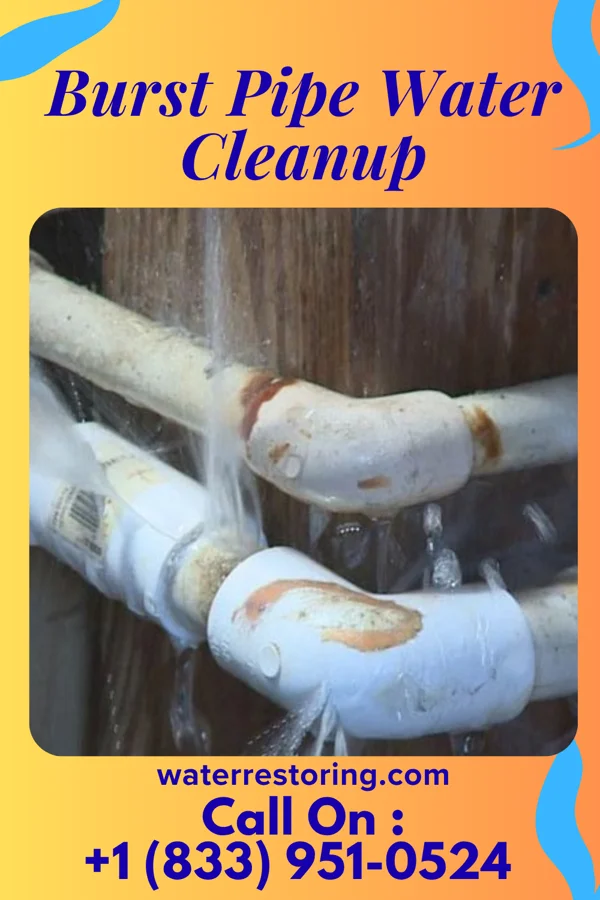
Gleed Pipe Burst Risk Drivers
Water damage in Gleed tends to cluster in predictable windows because of the local climate. Gleed, Washington, located in Yakima County, experiences a mix of rural and suburban environments where aging infrastructure and seasonal temperature fluctuations can increase the risk of burst pipes. The area's proximity to agricultural zones and residential neighborhoods means that water damage from burst pipes can quickly affect both farmland and homes. A close second is In Gleed, the presence of older plumbing systems in rural homes and the use of underground irrigation systems in agricultural areas contribute to secondary pipe burst risks. These systems are more prone to corrosion and pressure changes, especially during sudden temperature shifts or heavy rainfall events..
Gleed's climate, characterized by cold winters and dry summers, creates conditions where pipes are more vulnerable to freezing and bursting. The region's rural layout and reliance on well water also contribute to unique challenges in maintaining consistent water pressure and temperature regulation.
Gleed's climate, characterized by cold winters and dry summers, creates conditions where pipes are more vulnerable to freezing and bursting. The region's rural layout and reliance on well water also contribute to unique challenges in maintaining consistent water pressure and temperature regulation. The dominant local driver is Gleed, Washington, located in Yakima County, experiences a mix of rural and suburban environments where aging infrastructure and seasonal temperature fluctuations can increase the risk of burst pipes. The area's proximity to agricultural zones and residential neighborhoods means that water damage from burst pipes can quickly affect both farmland and homes., with In Gleed, the presence of older plumbing systems in rural homes and the use of underground irrigation systems in agricultural areas contribute to secondary pipe burst risks. These systems are more prone to corrosion and pressure changes, especially during sudden temperature shifts or heavy rainfall events. showing up as the next most common cause. Damage builds in stages. Spread. Absorption. Microbial growth. Structural compromise. Every stage you pass through adds to the final bill.
For public guidance on the health effects of mold after prolonged water exposure, see the EPA mold and health page.