
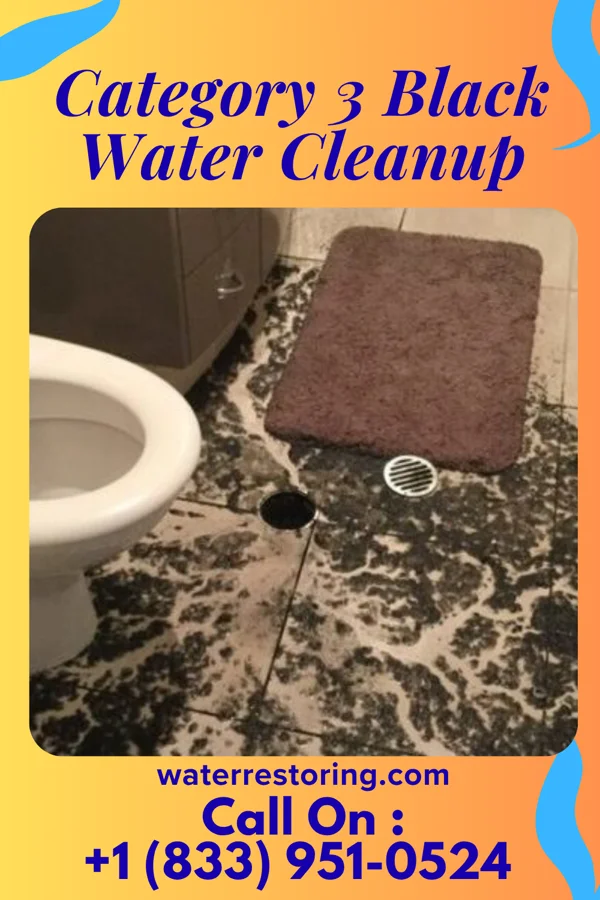
Common Category 3 Triggers in Gleed
Most category 3 black water cleanup calls in Gleed come from sewer lateral collapse during atmospheric river rainfall events. A close second is hillside septic system failure during saturated soil conditions. If you know what is about to happen, the decisions during the first 48 hours get a lot easier.
Gleed, WA experiences mild winters and warm summers, which contribute to prolonged bacterial growth in contaminated water. The area's hilly terrain increases the risk of septic system failure and sewer lateral collapse during heavy rainfall
Most category 3 black water cleanup calls in Gleed come from sewer lateral collapse during atmospheric river rainfall events. Running a close second is hillside septic system failure during saturated soil conditions. Once water sits unaddressed past 24 to 48 hours, microbial growth starts and the job gets a lot more expensive.
For public guidance on the health effects of mold after prolonged water exposure, see the EPA mold and health page.